
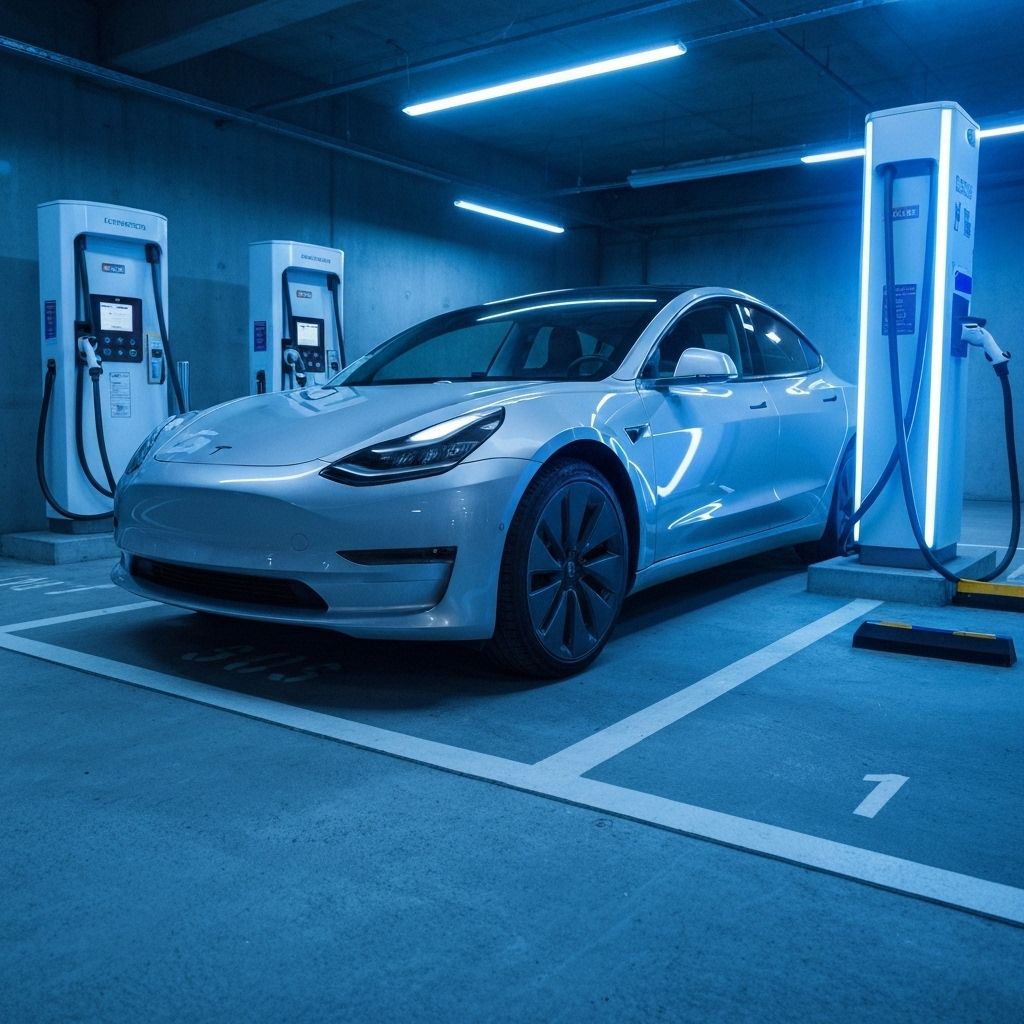
The Future of Electric Vehicles in 2025
The Future of Electric Vehicles in 2025
Electric vehicles (EVs) are revolutionizing the automotive industry with unprecedented speed and innovation. As we move through 2025, the landscape of personal transportation is undergoing a dramatic transformation that promises to reshape how we think about mobility, sustainability, and automotive technology.
Revolutionary Battery Technology
The heart of any electric vehicle is its battery, and 2025 has brought remarkable advancements in this critical component. Solid-state batteries are finally moving from laboratory prototypes to production vehicles, offering energy densities that were unimaginable just a few years ago.
These next-generation batteries provide several key advantages:
- Extended Range: Modern EVs now routinely achieve 500+ miles on a single charge, with premium models pushing past 600 miles
- Faster Charging: Ultra-fast charging stations can now add 200 miles of range in just 10 minutes
- Improved Safety: Solid-state technology eliminates many fire risks associated with traditional lithium-ion batteries
- Longer Lifespan: New battery chemistries maintain 90% capacity even after 300,000 miles
- Better Cold Weather Performance: Advanced thermal management systems ensure consistent performance in all climates
Charging Infrastructure Expansion
One of the most significant barriers to EV adoption has been charging infrastructure, but 2025 marks a turning point. Governments and private companies have invested billions in creating comprehensive charging networks that rival the convenience of traditional gas stations.
The charging landscape now includes:
- Ultra-fast 350kW+ charging stations along major highways
- Wireless charging pads in parking lots and garages
- Solar-powered charging stations in remote areas
- Smart grid integration for optimized home charging
- Battery swap stations for commercial vehicles
Autonomous Driving Integration
Electric vehicles and autonomous driving technology have become inseparable. The clean electrical architecture of EVs makes them ideal platforms for the sophisticated sensor arrays and computing power required for self-driving capabilities.
Leading manufacturers are now offering Level 3 and Level 4 autonomous features as standard equipment, allowing drivers to safely disengage from driving tasks in many situations. This integration is creating a new paradigm where vehicles serve as mobile offices, entertainment centers, and relaxation spaces.
Environmental Impact and Sustainability
The environmental benefits of electric vehicles extend far beyond zero tailpipe emissions. Modern EVs are designed with sustainability in mind from the ground up:
- Recycled and sustainable materials in interior components
- Renewable energy integration for manufacturing
- Battery recycling programs that recover 95% of materials
- Reduced lifetime carbon footprint compared to traditional vehicles
- Integration with home solar systems for truly zero-emission driving
Market Trends and Consumer Adoption
The EV market has reached a tipping point in 2025. Electric vehicles now represent over 40% of new car sales in many developed markets, with that number expected to exceed 50% by 2026. This rapid adoption is driven by several factors:
Price Parity: EVs now cost the same or less than comparable gasoline vehicles, even before considering fuel and maintenance savings.
Model Diversity: Consumers can choose from hundreds of EV models across all segments, from affordable compact cars to luxury SUVs and high-performance sports cars.
Government Incentives: Many countries offer substantial tax credits, rebates, and other incentives that make EV ownership even more attractive.
The Road Ahead
As we look beyond 2025, the future of electric vehicles appears brighter than ever. Continued improvements in battery technology, charging infrastructure, and autonomous capabilities will make EVs the obvious choice for most consumers. The transition to electric mobility is no longer a question of if, but when, and 2025 marks a pivotal year in this transformation.
The automotive industry's electric revolution is creating opportunities for innovation, sustainability, and improved quality of life. Whether you're an early adopter or waiting for the perfect moment to make the switch, there's never been a better time to explore the world of electric vehicles.